Adivasi Women and Children Map Coexistence Trails


In Panna, Gond Adivasi women have embarked on a resource mapping initiative, unveiling the rich tapestry of streams, ponds, and Mahua trees that their village and surrounding forest offer.
This mapping experience sparked important conversations about the changing landscape over the decades. The community observed that invasive species like lantana have taken over their lands, diminishing the tubers and wild foods that once flourished in abundance. Younger generations are gradually losing their connection to traditional foraging practices. The increase in local wildlife, especially predators, adds to the challenge by heightening the risk of human-wildlife conflict.
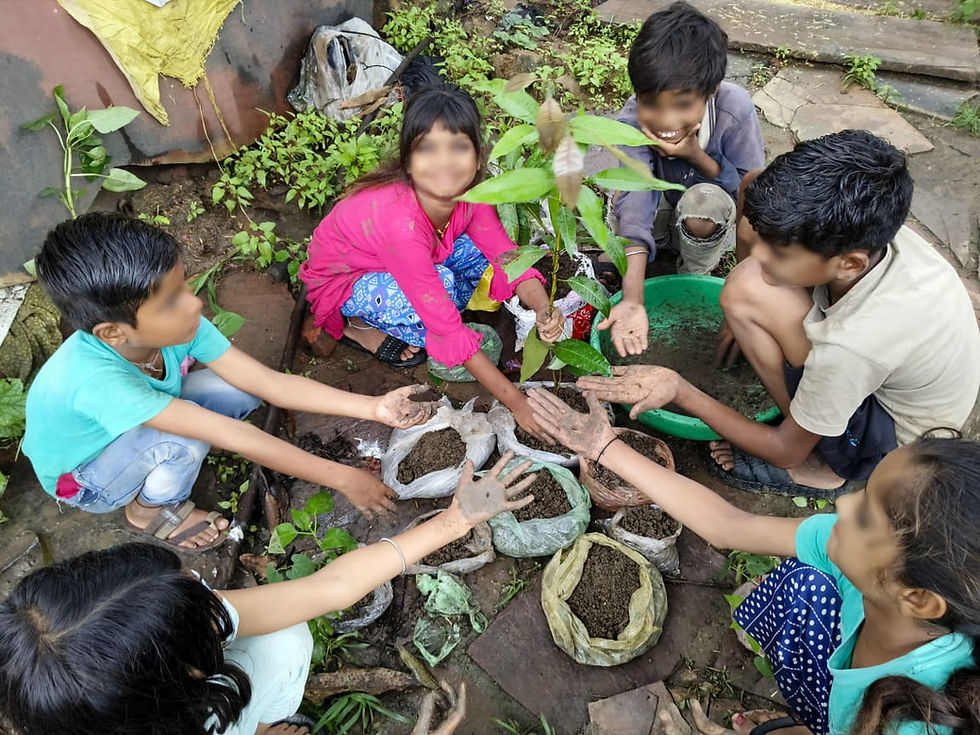
But the women want to make a change. In preparing a micro-plan, they discussed strategies to restore their habitat, raise nurseries, promote wildfood and indigenous plants and gradually regenerate their biodiversity.

This initiative is linked with our Bal Angans. Here, children are engaging in dialogues with community elders to map wildlife routes around their village and how to be careful while walking to school. Now children are documenting wildlife movements on their map everyday.
The community is engaged in dialogues on coexistence with nature and the daily challenges they face, as they say, ‘aaj kal jaanvar bhi badal gaya hai (even the animals have changed these days),’ because there are so many disturbances to their movement from the outside, pushing them to prey on humans.